An encyclopedia of art and inspiration
Every entry, a spark for the next.
Lemma is written on demand and made to be followed. Ask for a topic — an artist, a movement, a stray idea — and read an entry whose margins pull you toward the next thing worth looking up.
- Blue links lead to entries already in the archive
- Red links are topics no one has written yet
- Sources sit in the margin, tied to the claims they back
The archive
202 entries- Super Mario Bros. (Series)The turning point that pulled the platform game out of the arcade and into the living room, and gave video games one of their most durable mascots.
- The History of Role-Playing Games (RPGs)From a convention wargame improvised in Minnesota to the streaming stages of Critical Role, the role-playing game grew across half a century from a niche tabletop hobby into one of the most influential forms in all of gaming.
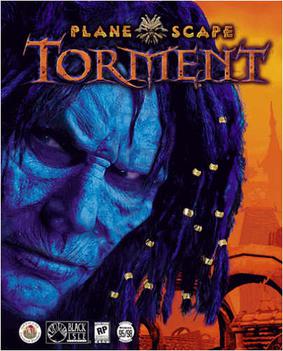
Planescape: TormentA role-playing game in which an immortal amnesiac wanders a city at the crossroads of infinite worlds, asking what can change the nature of a man.
- Final Fantasy (Series)Born from a failing company’s last-ditch gamble in 1987, Final Fantasy grew into a shape-shifting anthology of fantasy epics that has reinvented itself with almost every installment while carrying its crystals, chocobos, and airships along for the ride.
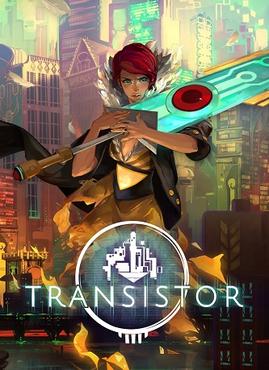
TransistorA famous singer takes up a talking sword in a gilded, decaying city, in Supergiant Games’ second act after Bastion.
Ukiyo-eThe woodblock prints of Edo Japan turned actors, courtesans, and Mount Fuji into affordable popular art — and, once they reached Europe, reshaped the way Western painters saw the world.
- NimA game of pebbles and heaps whose entire outcome is settled in advance by the binary arithmetic hidden in the pile sizes.

Tennis for TwoBuilt in three weeks from a missile-trajectory circuit and shown on a five-inch oscilloscope, this electronic tennis match drew hundreds of visitors to a nuclear physics lab and is often called the first video game.
How Artistic Movements Have Shaped Video GamesA century after linear perspective reshaped painting, game designers found themselves rediscovering the same spatial problems — and mining the Renaissance, Impressionism, and the Baroque for the visual grammar of interactive worlds.
Space Invaders IIThe rarest of the Space Invaders offshoots, a Midway in-house cocktail machine that turned the alien shoot-out into a duel between two players.
Space InvadersThe alien horde that marched out of a Japanese arcade cabinet in 1978, quickened its step as its ranks thinned, and in doing so taught the whole world to play video games.
The Legend of Zelda: The Wind WakerA cartoon Link sails a flooded, sun-drenched Hyrule in the Zelda entry that scandalized fans before winning them over as one of the series’ most beloved.
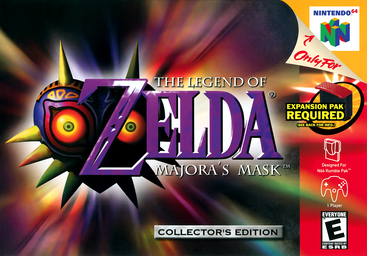
The Legend of Zelda: Majora's MaskA Zelda unlike any other, in which a doomed world lives out the same three days again and again beneath a grimacing moon while a masked child races to postpone the apocalypse.
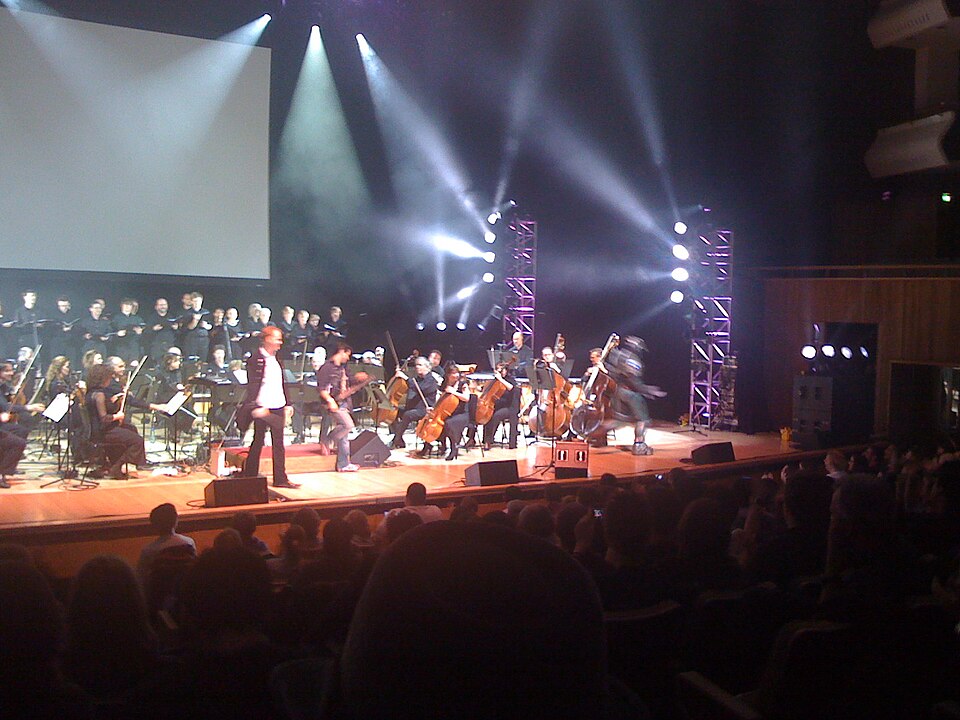
Video Games LiveA traveling spectacle that hands the video game score to a full symphony orchestra, complete with lasers, cosplay contests, and a Space Invaders showdown between parents and children.
- A History of Video Game MusicFrom the four looping notes of an alien invasion to Grammy-winning choral scores performed by the world’s finest orchestras, the sound of games grew up alongside the machines that produced it.

Miles DavisThe stemless-Harmon-mute trumpeter who reinvented jazz roughly once a decade, then dared his fans to keep up.
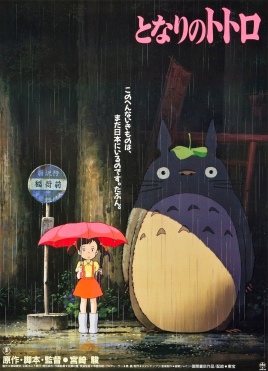
My Neighbor TotoroA hand-drawn fable of two sisters, a rain-soaked bus stop, and a bellowing forest spirit that grew from an eight-person animation team into one of the most recognizable icons in Japanese cinema.
ŌkamiA sun goddess in the form of a white wolf restores color to a blighted Japan by painting the world back to life with a magical brush wielded through the controller’s analog stick.
Katsushika HokusaiThe “Old Man Mad About Painting” who filled more than eighty years with some thirty thousand drawings, prints, and paintings — and whose single image of a cresting wave became the most reproduced picture in Japanese art.
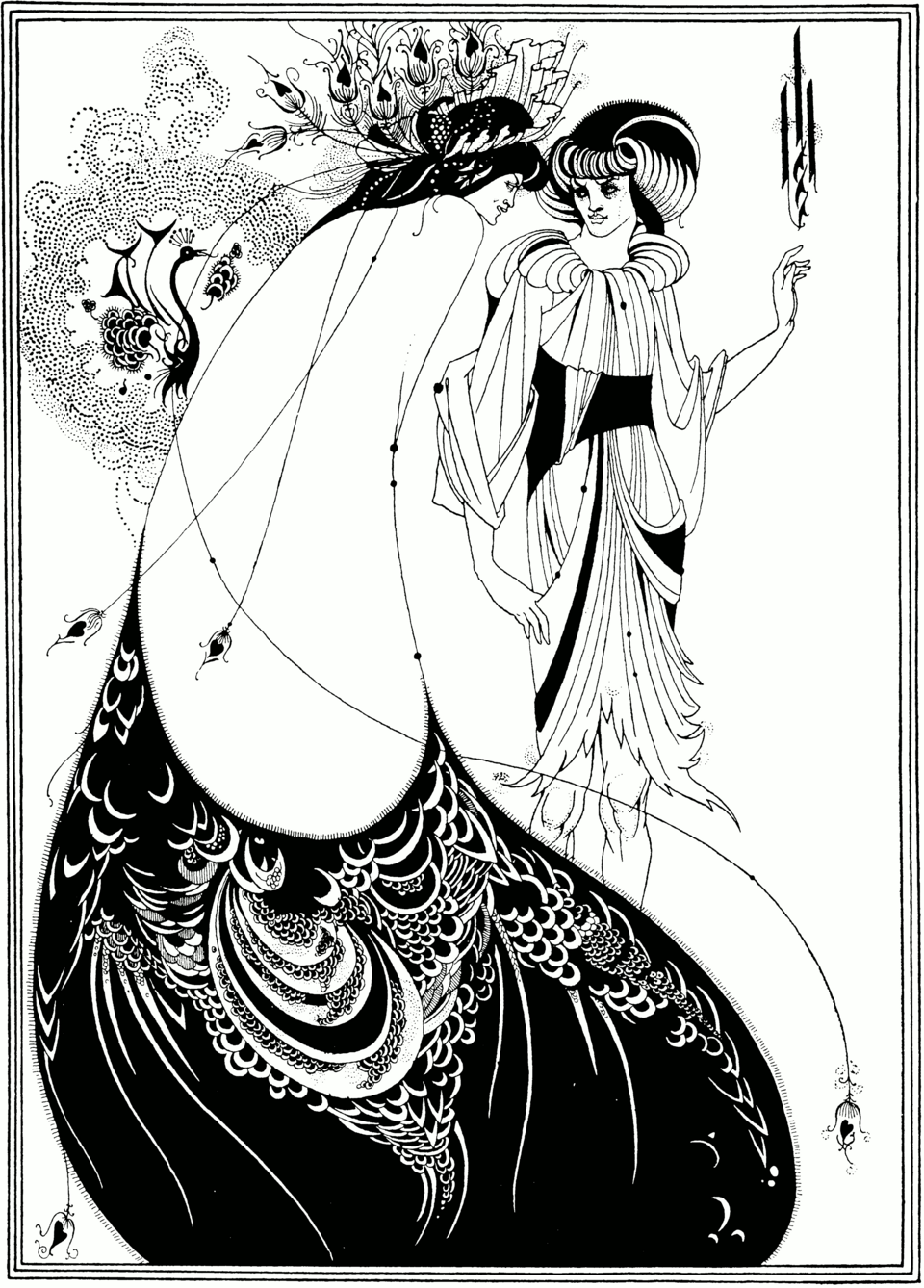
Art NouveauBorn of a late-19th-century revolt against historical imitation, Art Nouveau bent iron, glass, and gold into the swaying line of a plant stem and dreamed of dissolving the boundary between fine art and everyday craft.
Studio GhibliThe Tokyo animation house behind Totoro and Spirited Away that turned hand-drawn stories of flight, forests, and fierce girls into the closest thing Japan has to a national mythology.
The BauhausA short-lived German school that fused fine art with industrial craft and, in fourteen years, reshaped how the modern world designs its buildings, furniture, and printed pages.
- Unreal EngineWhat began in 1998 as the technology behind a single first-person shooter has become a general-purpose real-time 3D creation tool driving everything from Fortnite to Hollywood virtual production.
- GodotNamed for a play about waiting for someone who never arrives, this Argentine-born game engine spent a decade in obscurity before Unity’s stumbles made it the open-source refuge of a generation of indie developers.
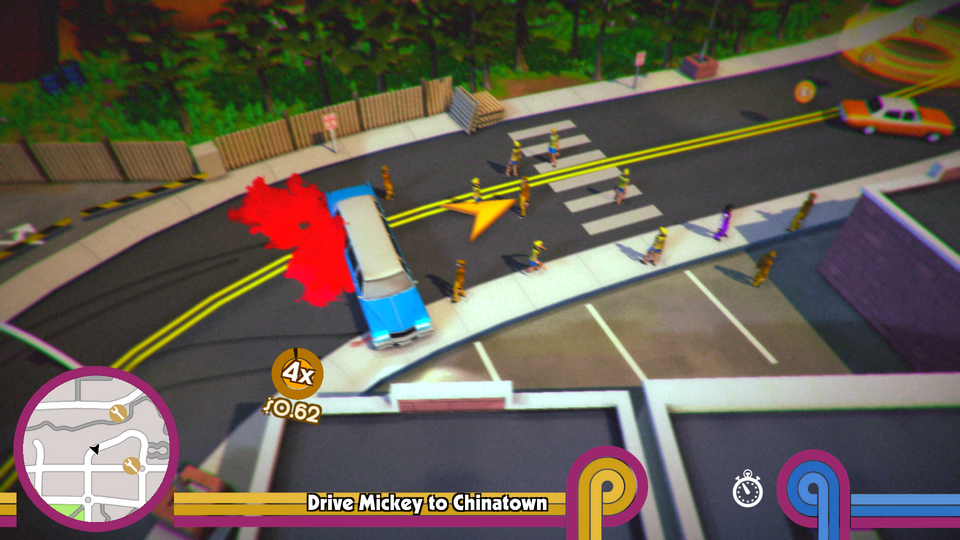
Unity (game engine)The engine behind roughly a third of the top PC games and the majority of Steam’s best-selling VR experiences, built to put game creation within reach of hobbyists and enterprise studios alike.
Indie gamesBorn of bedroom programmers and recast by the digital storefronts of the 2010s, the indie game is less a genre than an argument about who gets to decide what a video game should be.
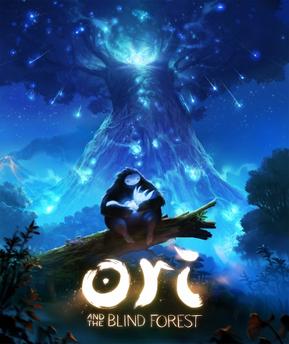
Ori and the Blind ForestA hand-painted forest sprite bounds through a dying woodland in a Metroidvania its makers spent 18 months polishing before the art ever came together.
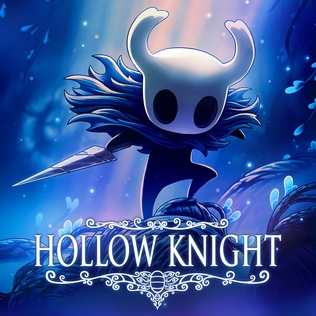
Hollow KnightA tiny nail-wielding bug descends into a dead kingdom of insects, and a two-person Adelaide studio built from that image one of the defining Metroidvanias of its era.
The History of 2D PlatformersFrom a monkey hurling barrels on a single screen to a bouncing car scrolling past parallax clouds, the 2D platformer is the genre that taught video games how to jump.
TetrisA test program written on a graphics-less Soviet minicomputer became the first software exported from behind the Iron Curtain and, in its Game Boy form, one of the best-selling games ever made.
UnReal WorldA shareware roguelike that began in 1992 as a fantasy dungeon crawl and slowly transformed itself into the definitive simulation of scraping out a living in the frozen wilds of Iron Age Finland.
- Survival GamesA genre built on the simplest premise in gaming — stay alive — that grew from a turn-based wilderness simulator into one of the industry’s dominant commercial forces, spanning backyard insect colonies, alien oceans, Norse afterlives, and the dunes of Arrakis.
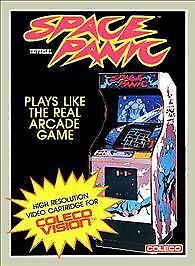
Space PanicA shovel-wielding astronaut trapping man-eating aliens in dug pits, in the 1980 arcade oddity now widely credited as the first platform game.
SpeedrunningA playstyle born in the corridors of 1990s shareware shooters, where finishing a game as fast as humanly possible — glitches and all — has become a global sport measured in frames.
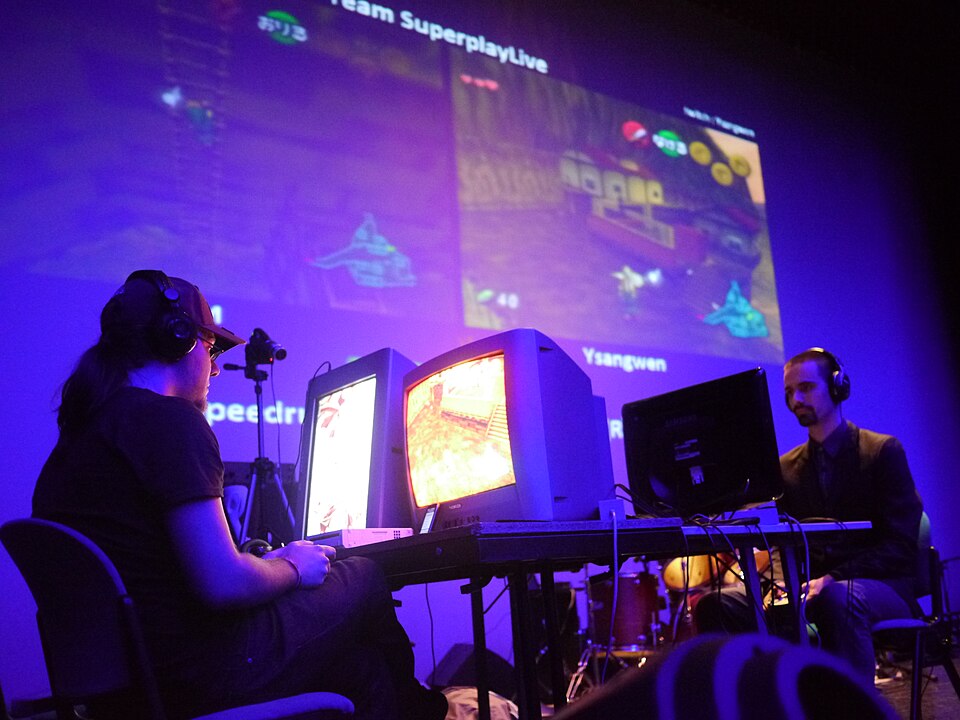
Games Done QuickWhat began as twenty friends speedrunning in a basement for CARE has grown into the world’s largest fundraiser for two major charities, streamed around the clock to millions on Twitch.
- Indie RPG AwardsFor sixteen years, a jury of self-published game designers handed one another the recognition that vote-driven industry prizes tended to overlook.
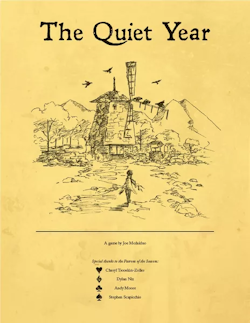
The Quiet YearA map-drawing game in which a shattered community has one quiet year — fifty-two weekly cards — to rebuild before the mysterious Frost Shepherds arrive.
DaggerheartCritical Role’s homegrown fantasy tabletop game, in which every dice roll tips the story between hope and fear.
- Tabletop RPGAround a table, with a rulebook, dice, and a Game Master to arbitrate, a small group builds a shared story one improvised decision at a time.
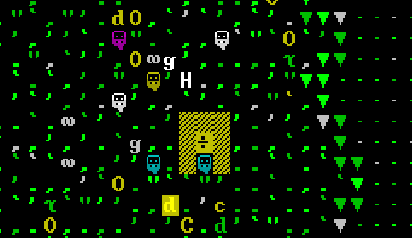
Dwarf FortressA pair of brothers spent two decades building a fantasy world so intricate that it crushes modern processors, lives in the Museum of Modern Art, and quietly seeded a whole genre of games.
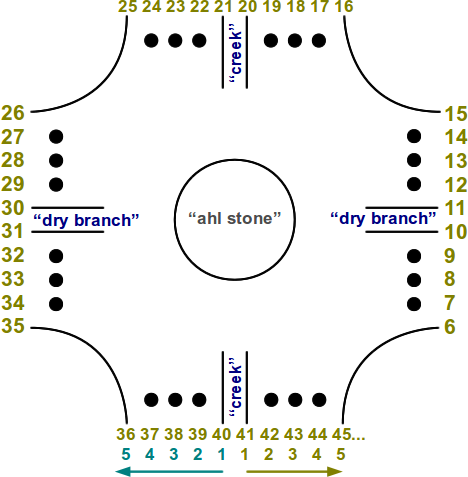
Zohn AhlA Kiowa women’s race game in which stick-dice are hurled against a stone at the center of a blanket, sending markers chasing each other in opposite directions around a ring of forty spaces.
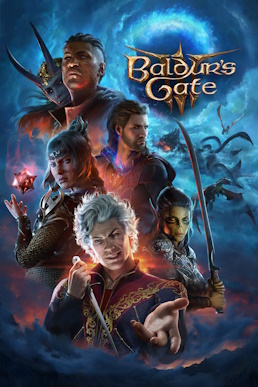
Baldur's Gate 3A Belgian studio’s decade-long gamble to translate the tabletop soul of Dungeons & Dragons into a 174-hour cinematic epic, right down to the roll of the dice.
- Early Role Playing Video Games (RPGs)Born within a year of Dungeons & Dragons and nursed on mainframe time stolen between legitimate jobs, the first computer role-playing games translated dice, dungeons, and character sheets into code.
- Role-Playing Video Game (RPG)Born from the dice and dungeons of tabletop fantasy, this electronic genre translated the party, the level-up, and the branching quest into pixels, growing into one of gaming’s most storied and contested traditions.
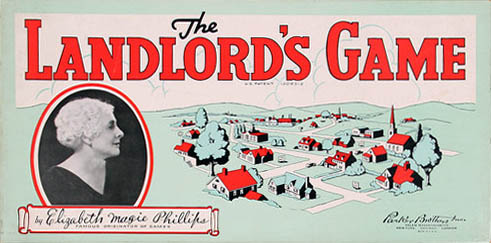
The Landlord's GameThe anti-capitalist teaching game that a stenographer patented in 1904 to warn against the very land-grabbing that its most famous descendant, Monopoly, would go on to celebrate.
- The History of Co-Op GamesFrom coins fed into arcade cabinets to five-million-selling board games about outrunning global disease, cooperative play grew from a marginal novelty into one of the most commercially reliable structures in gaming.
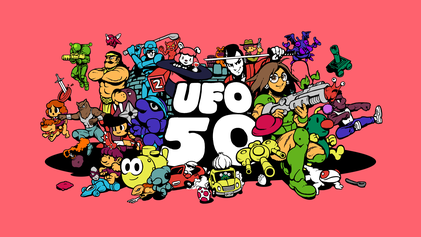
UFO 50Fifty complete video games disguised as the lost catalog of a game company that never existed, built over most of a decade by six developers who invented an entire 1980s console just to give their imaginations a set of rules.
PICO-8A game console that never physically existed, built to make small, strange games by ruling out almost everything but the idea.
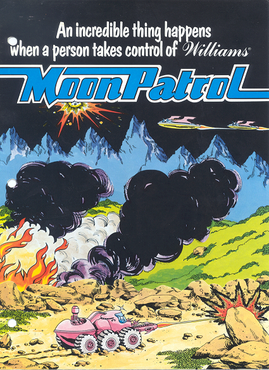
Moon PatrolA moon buggy bouncing across cratered lunar terrain to a bass groove that lodged itself in the memory of a generation of arcade-goers.
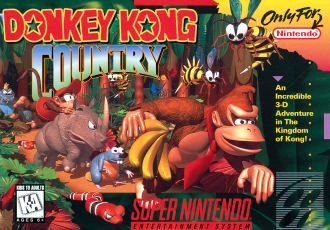
Donkey Kong CountryThe pre-rendered gorilla platformer that persuaded a generation the 16-bit Super Nintendo could still trade blows with the coming age of 3D.
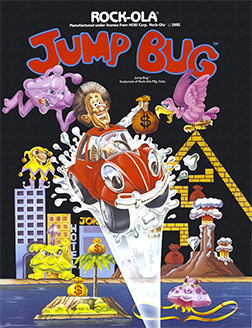
Jump BugA bouncing Volkswagen Beetle jumps its way through cities, pyramids, and undersea depths in a 1981 curiosity often cited as the first platformer with smooth two-way scrolling.
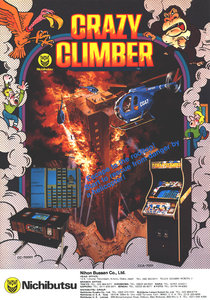
Crazy ClimberA daredevil “human fly” scales four skyscrapers under a hail of flower pots, condor droppings, and a rampaging King Kong — steered by two joysticks that stand in for the climber’s own two arms.
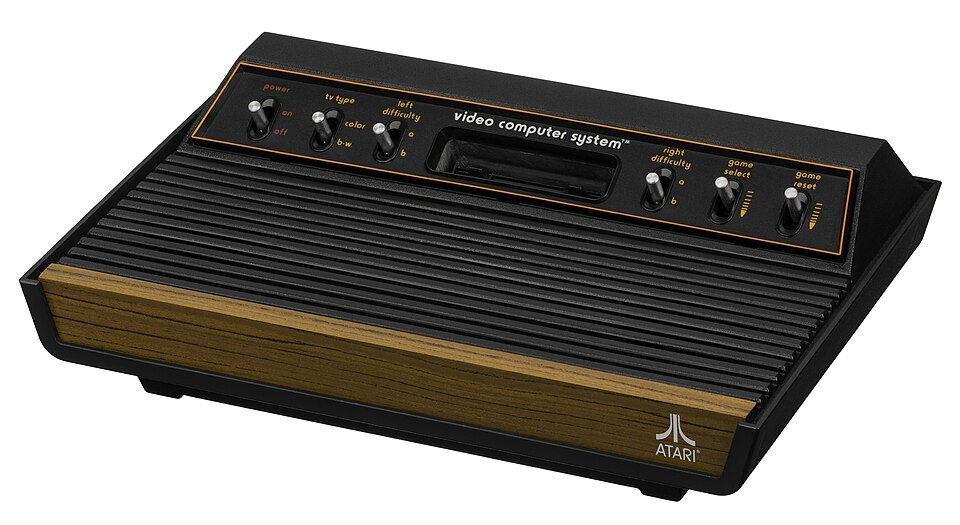
Atari 2600The woodgrain box that put swappable-cartridge, full-color video games into millions of American living rooms and made “home video game” a household phrase.
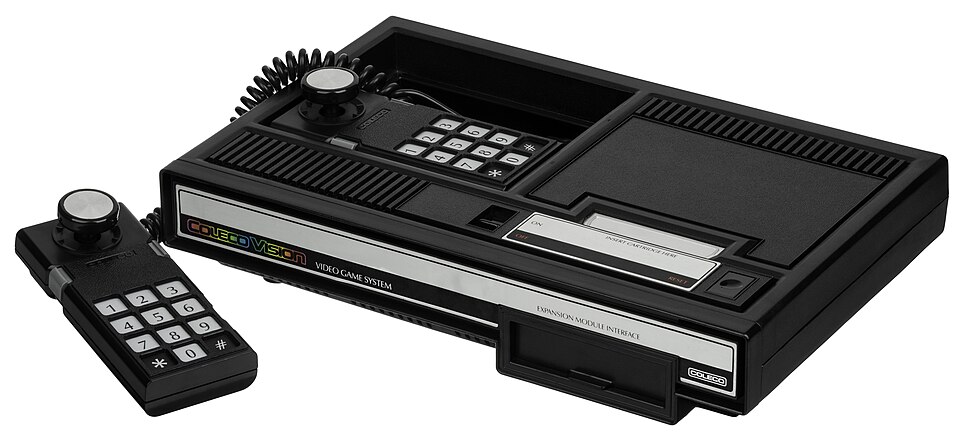
ColecoVisionColeco’s bet on off-the-shelf chips and a stolen-from-a-hallway arcade licence briefly made a wading-pool maker the king of home video games — until the 1983 crash and a doomed home computer buried it.
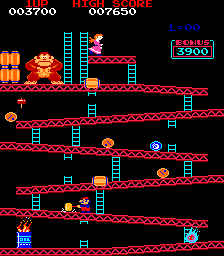
Donkey Kong (game)The barrel-dodging climb that rescued a near-bankrupt playing-card company, invented the platformer, and turned a carpenter named Jumpman into Mario.
Donkey Kong (Series)A carpenter’s barrel-throwing pet gorilla who began as a video-game villain in 1981 and was reinvented, thirteen years later, as a necktie-wearing hero defending his banana hoard.
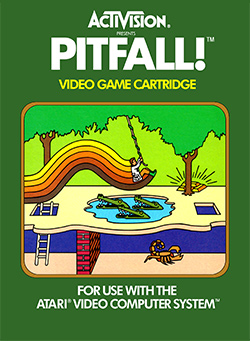
Pitfall!A little running man drawn on a blank sheet of paper, dropped into a jungle to sprint after gold across screens generated from fewer than fifty bytes of memory.
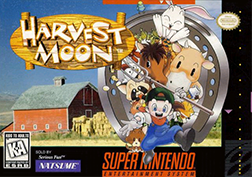
Harvest MoonA game about tilling fields and courting a spouse that, made almost single-handedly against the current of 3D consoles, quietly founded the farming-and-life simulation genre.
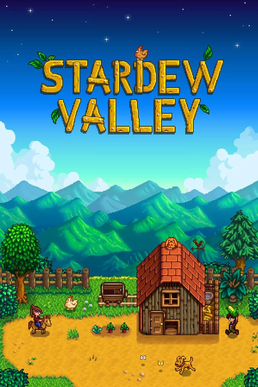
Stardew ValleyA single developer’s four-year labor of love that began as a Harvest Moon clone and became the defining template for the modern farming-and-life simulation game.
MinecraftA game with no goal but infinite worlds, in which a single Swedish programmer’s weekend prototype grew into the best-selling video game ever made.